

|
Event Recap | Interdisciplinary Salon: Advances and Applications of Intensive Longitudinal Research Methods
Time:2026-05-26 Counts:33
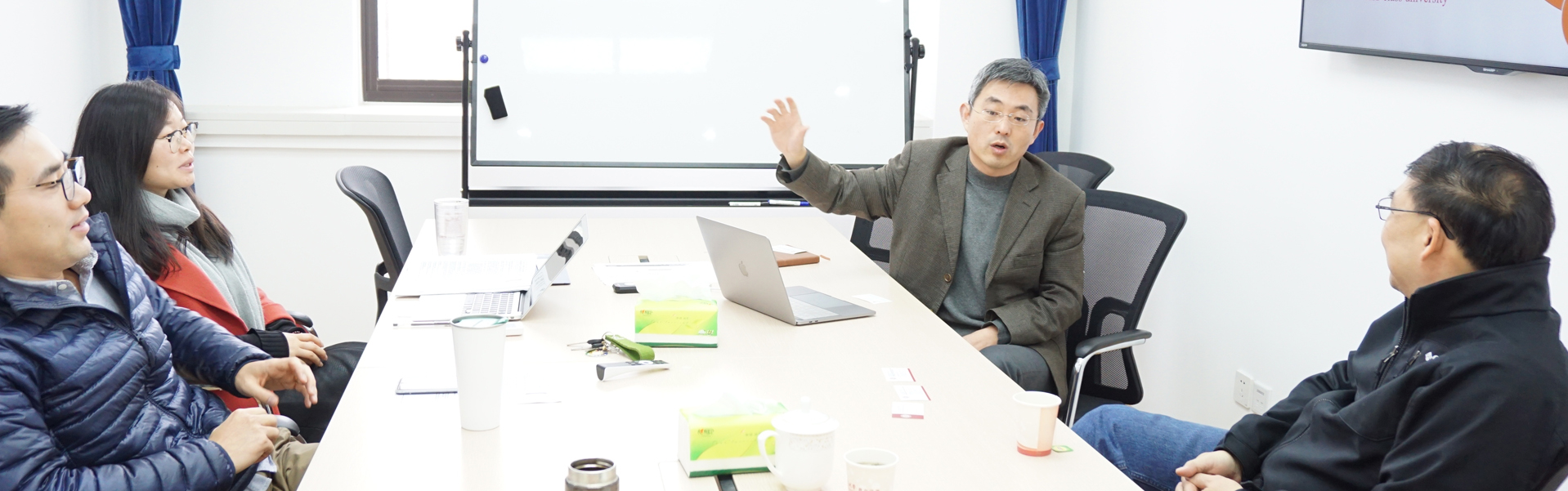
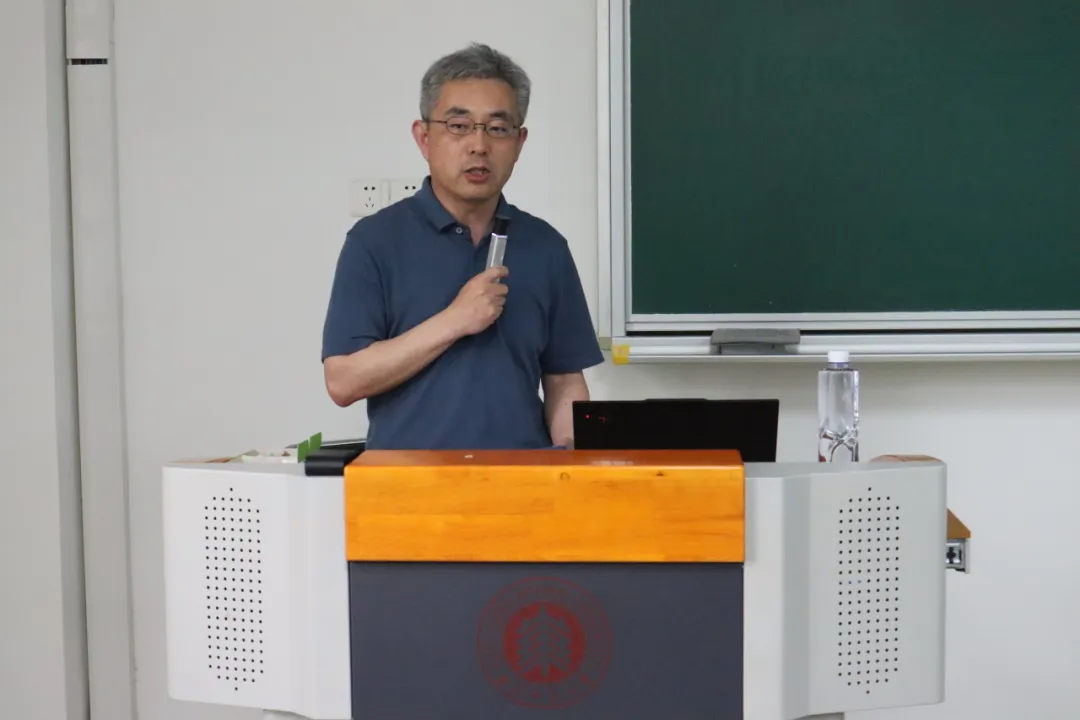
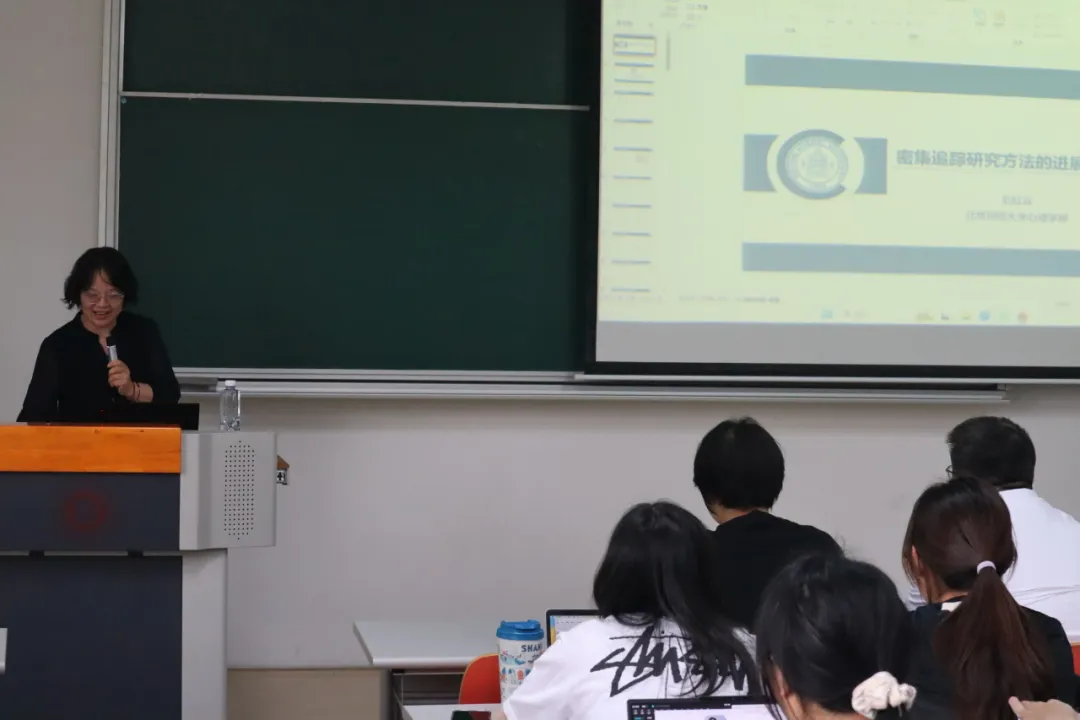
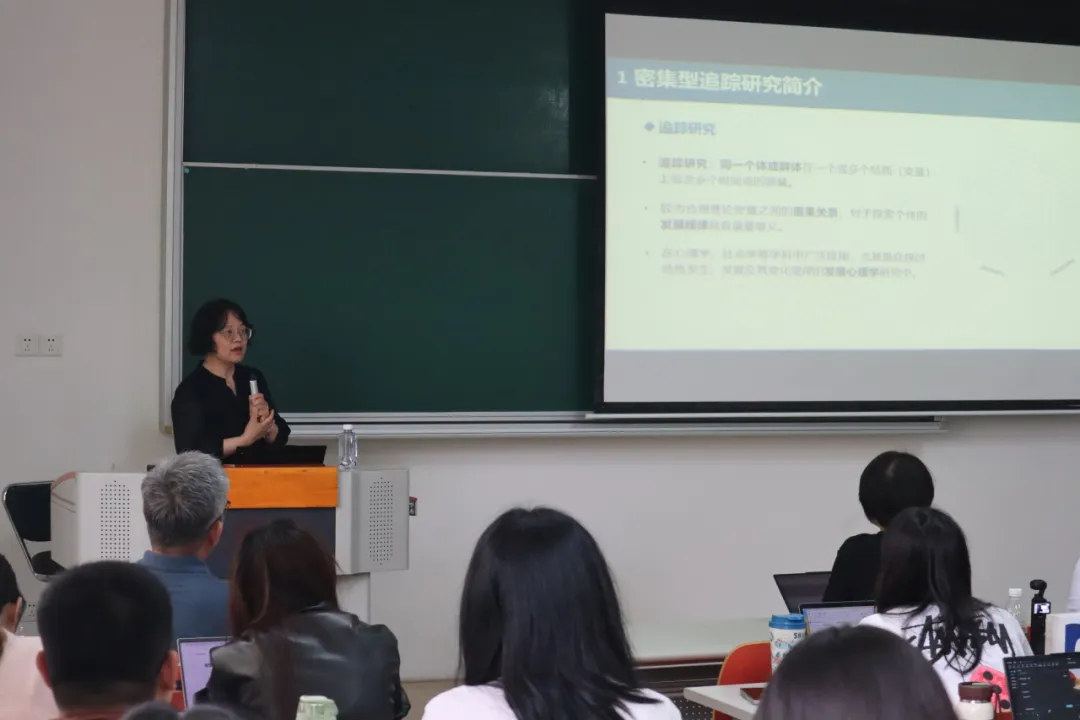
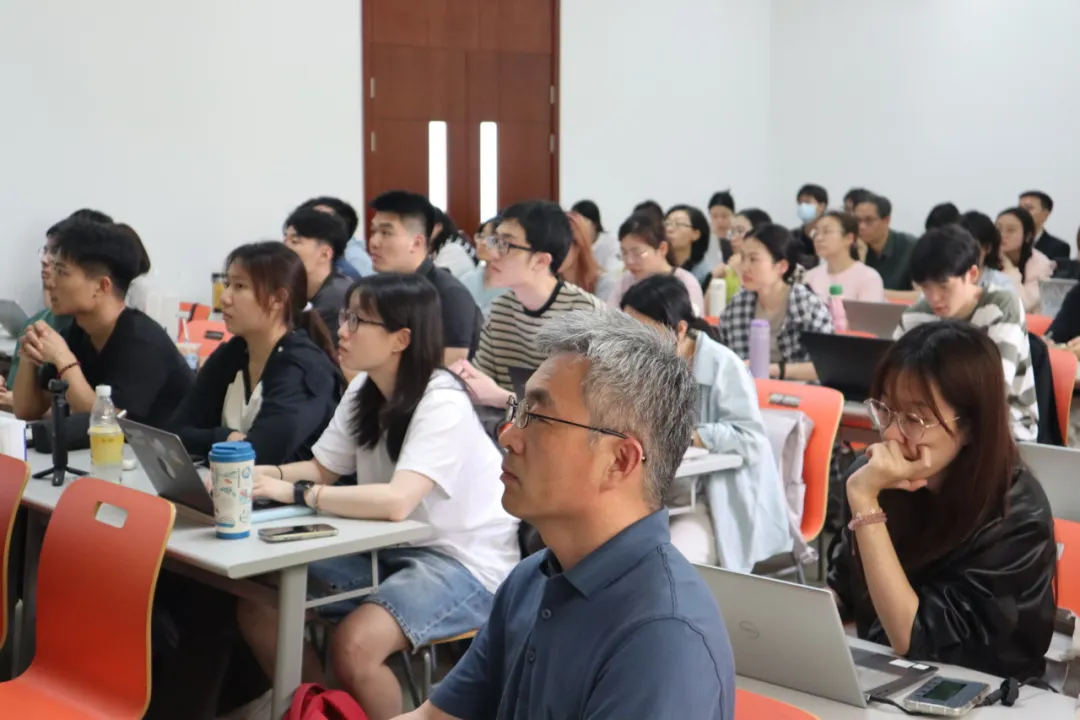
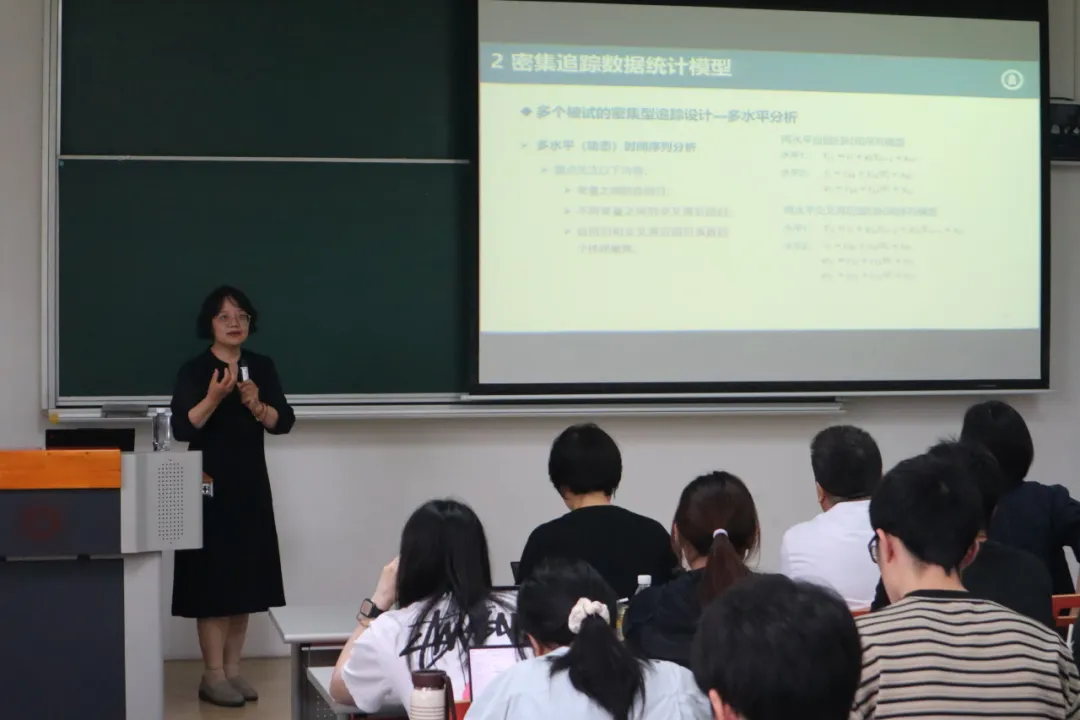
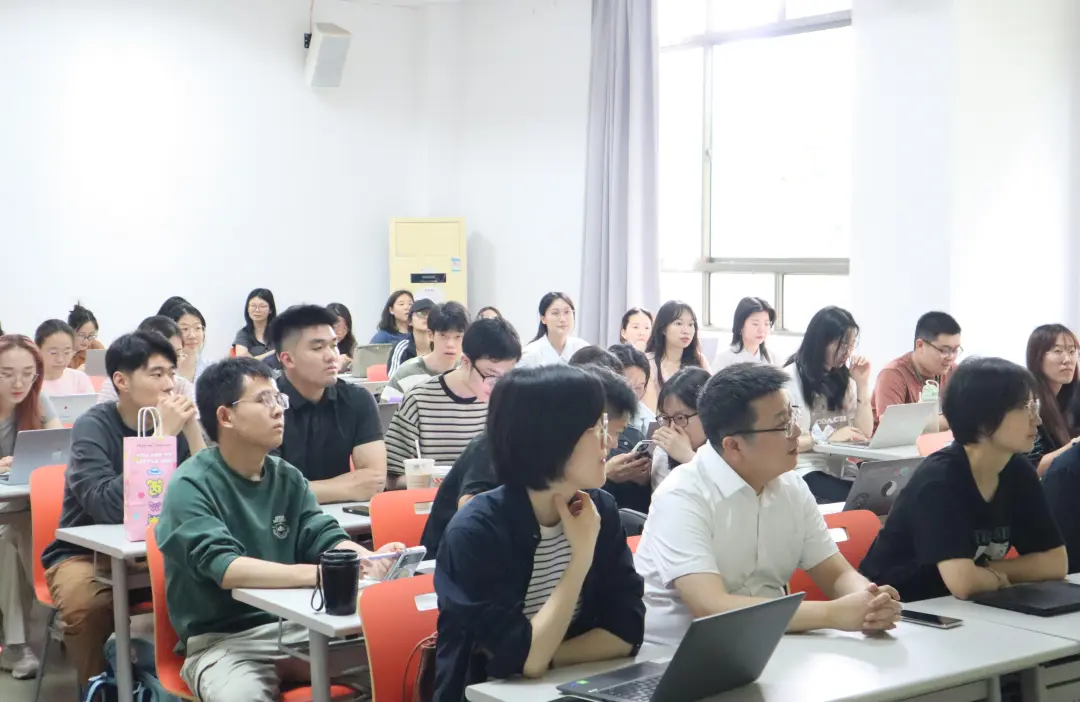
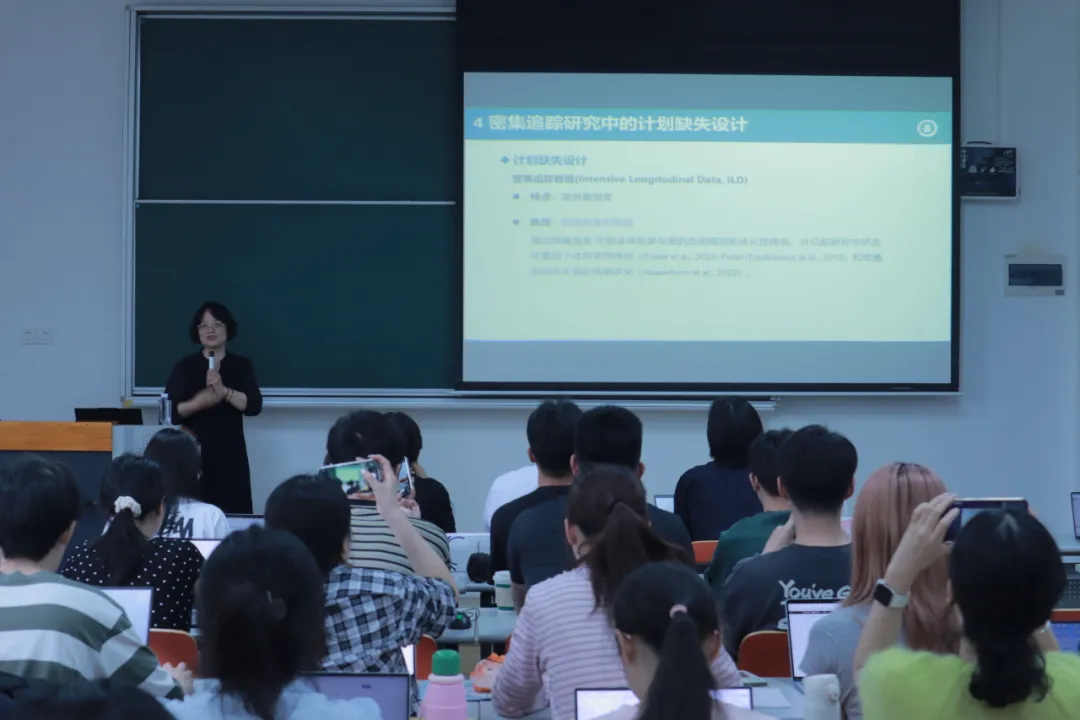
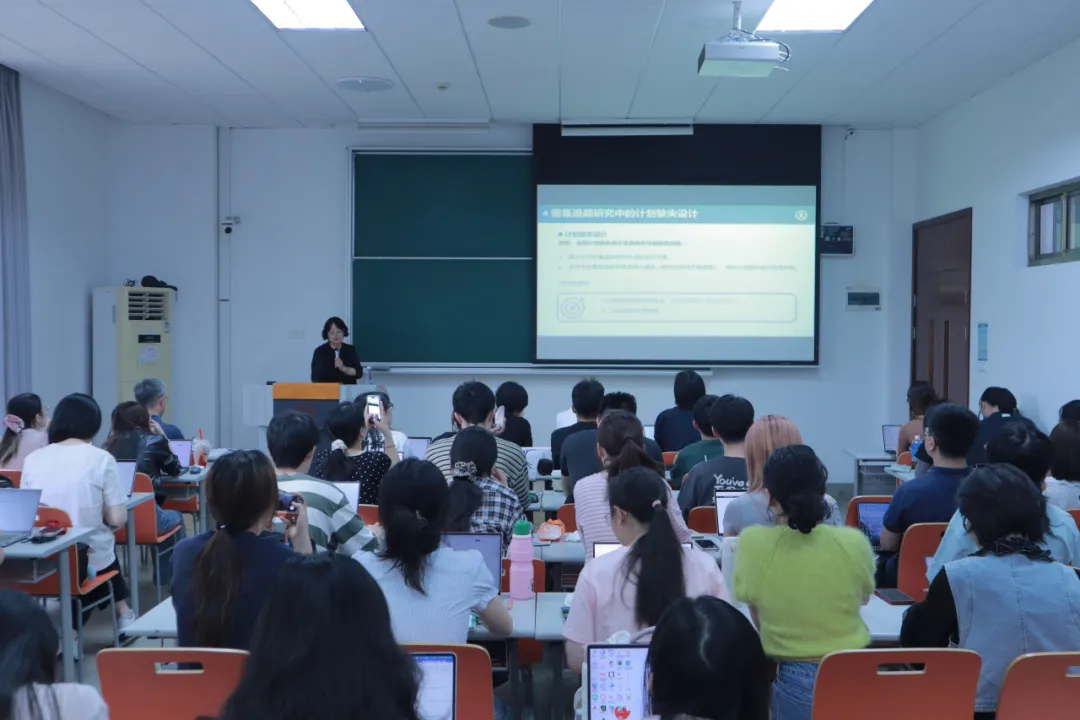
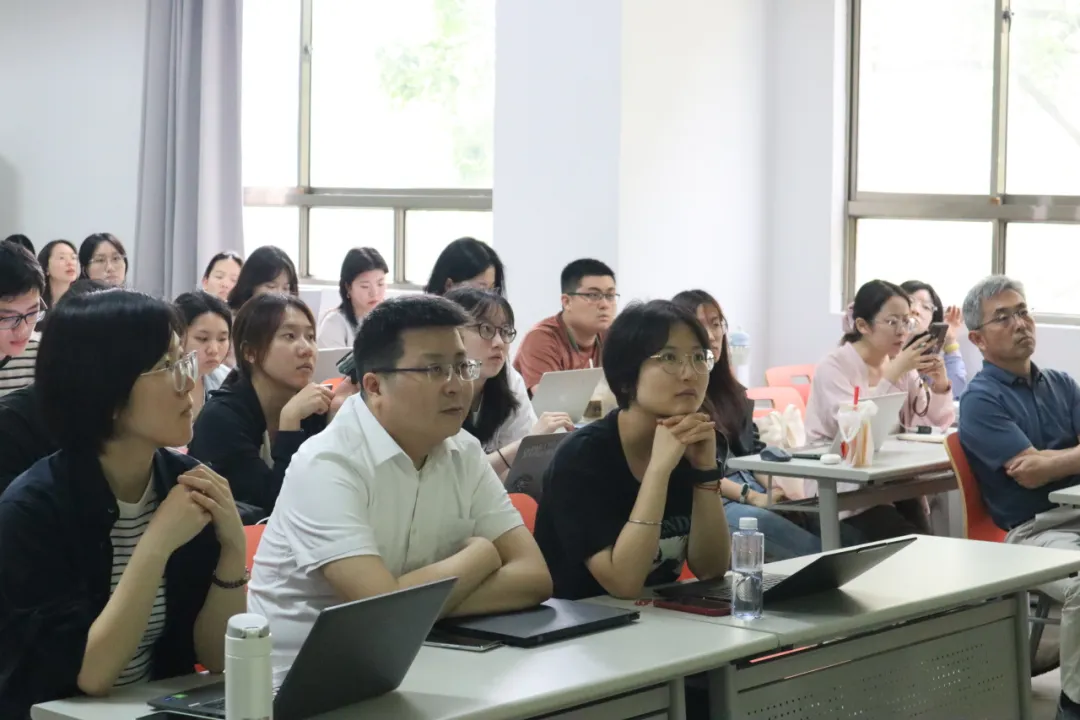
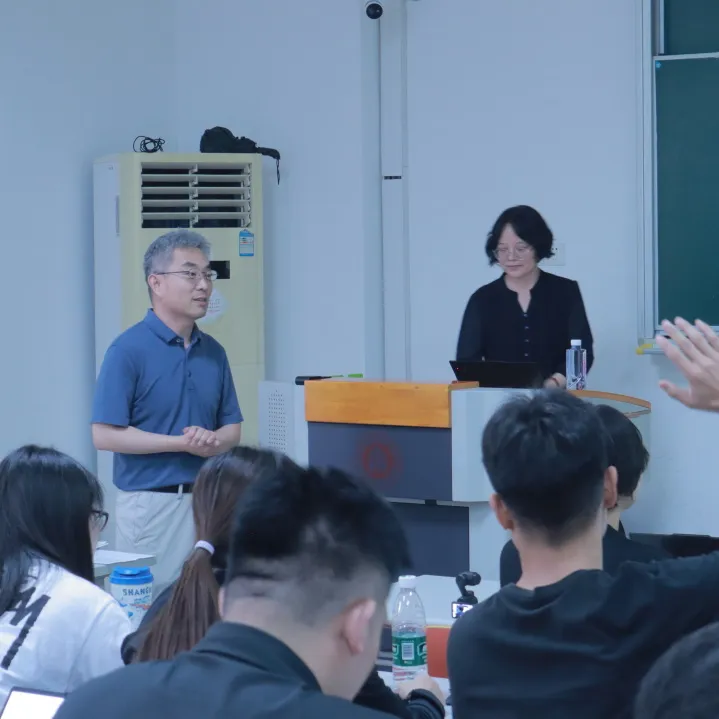
At 14:30 on the afternoon of May 14, 2026, the Interdisciplinary Salon organized by the Department of Educational Psychology, East China Normal University, was honored to invite Professor Liu Hongyun, a top expert in psychological and educational measurement as well as statistics across the country, to deliver a wonderful lecture titled Advances and Applications of Intensive Longitudinal Research Methods. Professor Liu is Professor and doctoral supervisor at the Faculty of Psychology, Beijing Normal University. She has long been engaged in the research on the development and application of quantitative research methods in psychology and educational assessment. She has published nearly 200 academic papers in leading domestic and international journals, undertaken over 30 major national-level projects, and currently serves as Chair of the Statistics and Measurement Branch of The Chinese Society of Education. During the lecture, Professor Liu systematically sorted out the complete framework of intensive longitudinal research methods. She presented the development trajectory and application value of this research paradigm in a progressive manner, covering basic definitions and modeling principles, definitions of measurement reliability, optimization of research design, and future prospects. The lecture combined in-depth academic analysis with practical enlightenment, providing cutting-edge insights for studies on educational psychology and measurement. The salon was hosted by Researcher Yang Xiangdong, Head of the Department of Educational Psychology, with teachers and students of the department taking an active part.
1 What is Intensive Longitudinal Research? 01Definition and Features of Intensive Longitudinal Research At the beginning of the lecture, Professor Liu illustrated the basic concept of longitudinal research with a diagram. Longitudinal research conducts repeated measurements on the same individuals or groups across multiple variables and time points, which lays an important foundation for exploring causal relationships between variables. It has become a major research paradigm for scholars to investigate inter-variable associations. Within the broader framework of longitudinal research, intensive longitudinal research refers to frequent repeated assessments of individual states over short time intervals. By definition, it involves more than ten measurement occasions. A common practice is to collect data once a day or even multiple times within a single day. With the widespread use of wearable devices and mobile applications, daily diary methods, experience sampling and ecological momentary assessment have gained growing popularity among researchers. All these approaches essentially fall into the category of intensive longitudinal research. Since this method generally collects high-frequency repeated data from participants in daily settings over a short period, it can effectively capture real fluctuations in individuals’ psychological states and behaviors while reducing recall bias, thus ensuring high ecological validity. Leveraging this strength, researchers can identify the dynamic patterns of within-person variables, analyze the temporal relationships between variables, and further explore individual differences in such dynamics. It therefore enables integrated research on both within-person changes and between-person disparities. Nevertheless, intensive repeated measurements greatly increase participants’ response burden, and participant compliance directly affects data quality. In addition, there are no universal criteria for determining time intervals and sampling density. The rich information embedded in the data also demands more sophisticated analytical techniques. Moreover, conventional methods for evaluating psychometric properties such as measurement reliability are no longer applicable. These issues pose considerable challenges to the research design and data analysis of intensive longitudinal studies.
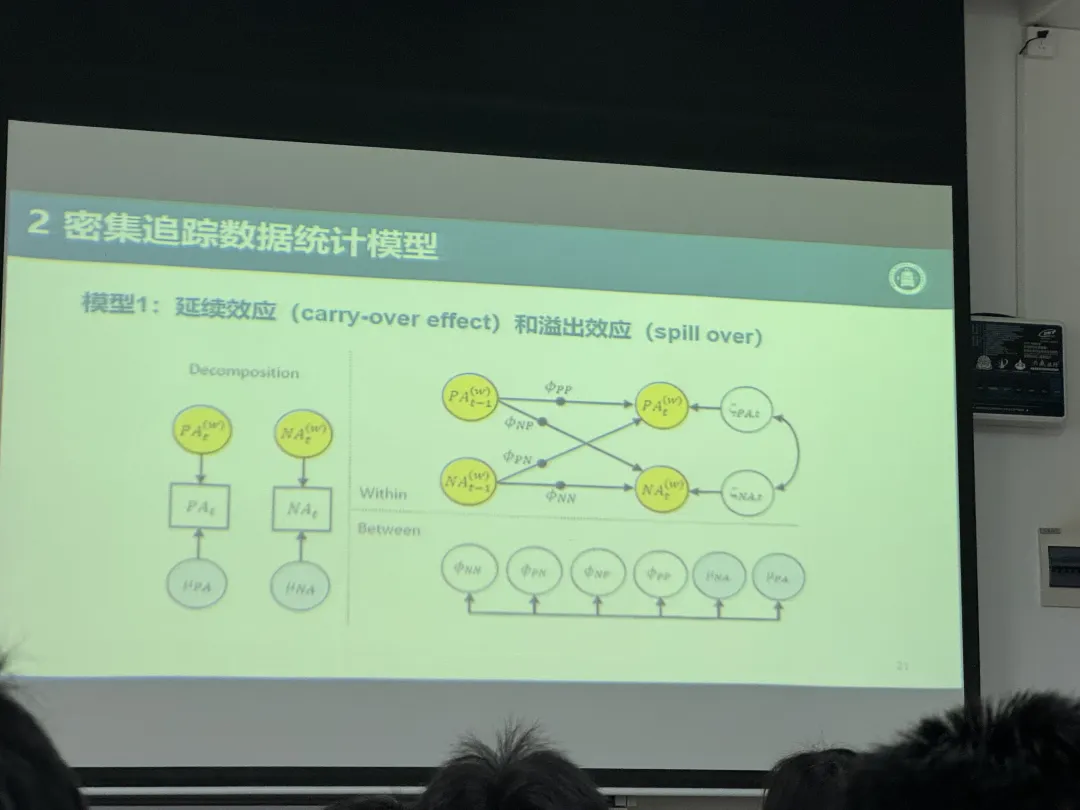
02Core Research Questions of Intensive Longitudinal Research Traditional longitudinal studies conduct repeated measurements with relatively long intervals and limited assessment occasions. They mainly focus on group-averaged developmental trends. When exploring relationships between variables, analyses largely rely on between-person comparisons. Specifically, researchers calculate correlations or regressions based on data collected from different individuals across time points. Such analyses essentially reflect between-person differences and fail to reveal the dynamic coupling processes within individuals over time. In contrast, intensive longitudinal research features short study periods and closely spaced measurements, which enables the capture of fluctuations in individual states across numerous time points. This approach allows researchers to achieve three major objectives. First, it characterizes the dynamic patterns of within-person states, such as the intensity and recovery rate of emotional changes. Second, it examines temporal relationships between variables. For instance, how positive emotion at an earlier time point predicts subsequent negative emotion. These within-person associations align better with the definition of causality. Third, it explores individual differences in the above dynamic patterns and their underlying causes. Accordingly, intensive longitudinal research addresses core questions from both within-person and between-person perspectives, investigating not only how individuals change over time but also why dynamic patterns vary across people. 2 Modeling: From Between-Person Differences to Within-Person Dynamics Analytical methods for intensive longitudinal data derive from time series models, which aim to answer two key questions: what are the dynamic patterns within individuals, and how do these patterns differ across individuals? Professor Liu introduced three progressive analytical approaches. The first approach is time series analysis for single-subject designs. It is applicable to studies with an extremely small sample size (N=1), such as astronaut monitoring and case studies. Researchers build an independent model for each participant to estimate autoregressive coefficients, also known as carryover effects — for example, how emotion on the previous day influences emotion on the current day — as well as temporal effects of other variables. Professor Liu illustrated this with a simple case examining whether positive emotion on the previous day affects that of the current day. The results showed the carryover effect of positive emotion was 0.514 for the first participant and 0.212 for the second. It is evident that emotional inertia varies from person to person, and such individual uniqueness can be clearly identified in single-subject designs. The second approach is multilevel time series analysis, suitable for large-sample research. This method adopts a two-level structure where repeated measurements are nested within individuals, making it possible to analyze intensive longitudinal data from multiple participants simultaneously. The first level describes within-person dynamics and relationships between variables, while the second level explores between-person differences. In this model, autoregressive coefficients and cross-variable effect coefficients can be set as random effects, allowing effect sizes to vary across individuals. It can quantify overall average effects and the dispersion of individual effects. Meanwhile, individual-level variables such as gender and parenting styles can be incorporated to explore factors contributing to individual differences. Generally, multilevel analysis focuses on a single dependent variable. The third approach is Dynamic Structural Equation Modeling (DSEM), designed for complex multivariate scenarios, such as the simultaneous analysis of positive and negative emotions. It can estimate not only autoregressive coefficients (carryover effects) of variables but also cross-lagged effects (spillover effects) between variables. For example, it can examine how current negative emotion influences subsequent positive emotion.Taking positive and negative emotions as an example, Professor Liu elaborated on various research questions that DSEM can address. These include: average levels of positive and negative emotions and their individual differences; average values and between-person variations in the autoregressive coefficients of the two emotions; average levels and individual differences in their cross-lagged effects; whether parenting styles predict individual emotion levels, carryover effects and spillover effects; and how positive emotion, negative emotion, as well as their carryover and spillover effects relate to academic performance. Combining model diagrams and analytical results, she further explained the basic framework of DSEM, as well as extended DSEM models incorporating between-person predictors and outcome variables.
3 Definition and Estimation of Reliability in Intensive Longitudinal Research Intensive longitudinal research encounters a prominent practical challenge. To reduce participants’ response burden, questionnaires are usually designed to be extremely brief, often consisting of only a few items. Meanwhile, researchers frequently develop original items or adapt existing trait scales to accurately capture transient individual states. Accordingly, whether such short measurement tools possess sound psychometric properties, particularly adequate reliability, becomes a fundamental prerequisite. Traditional reliability indicators are defined for cross-sectional research. Given the data structure with multiple participants and repeated measurements across time, the connotation and calculation of reliability need to be adjusted. Researchers should examine measurement stability at the between-person level as well as reliability at the within-person level. In other words, test reliability shall be interpreted and calculated from both perspectives. Professor Liu reviewed the evolution and limitations of existing reliability estimation methods in this field, and then introduced an integrated approach developed by her research team. Taking the multilevel and dynamic features of intensive longitudinal data into account, the team constructed a two-level random dynamic measurement model, on the basis of which between-person reliability, within-person reliability and person-specific reliability were defined respectively. Using an empirical study on state procrastination as an example, she demonstrated how this method estimates within-person reliability for each participant, the average level of overall within-person reliability, and between-person reliability for individual items and the whole scale. Notably, within-person reliability often varies widely across individuals. A single item may show distinctly different reliability when measuring states of different people, which deserves full attention in practical research. 4 Design Optimization: Planned Missing Data Designs to Alleviate Participants’ Burden Participant compliance is a core factor determining data quality in intensive longitudinal studies. To ease response burden, Professor Liu’s team introduced planned missing data designs, which are widely adopted in educational assessment, into this research field and explored two categories of solutions: item-level missing designs and time-point missing designs. Item-level Missing Designs:All items are divided into several subsets, and each participant only completes one subset per measurement. Two implementation approaches were compared: completely random design, where each subset is randomly assigned at each time point, and fixed alternating design, in which subsets are used in a set rotation order while participants are divided into groups receiving different subsets at the same time. Simulation results revealed that the two approaches deliver comparable performance. Under most conditions, they yield accurate parameter estimates and acceptable statistical power. Issues may only arise in a few scenarios, such as small sample sizes, limited measurement occasions and a missing rate as high as 50%. Time-point Missing Designs: Two strategies were proposed and compared. The first is full-duration planned missing design, which maintains the total research duration while lowering measurement frequency. The second is shortened-duration planned missing design, which keeps the original measurement frequency but shortens the overall research period by concentrating all assessments in the early phase. For both strategies, full sampling is retained in the first phase as a benchmark, and fewer measurements are arranged in the second phase. Simulations indicated that the applicability of the two strategies depends on data dynamics. The shortened-duration design works better for stationary data or processes with short cycles, where multiple full cycles can be captured within the narrowed observation window. The full-duration design is more suitable for data with long cycles, such as weekly, monthly or seasonal effects. Overall, the two types of planned missing designs have respective advantages. The item-level approach cuts burden by reducing the number of items per measurement, while the time-point approach improves long-term compliance by adjusting measurement frequency or research duration. Both provide flexible and efficient solutions for intensive longitudinal research without substantially compromising statistical performance, offering practical references for applied researchers.
5 Special Topics and Frontier Explorations Beyond the aforementioned methodological discussions on measurement properties and research designs, Professor Liu presented empirical studies conducted by her team on several noteworthy special issues in intensive longitudinal research based on real datasets. The first topic concerns the interpretation of complex relationships between variables under the feedback effect framework. In bivariate dynamic structural equation models, a feedback effect refers to a cyclic loop formed by cross-lagged effects between two variables. For instance, daily stressors on Day 1 may affect physical symptoms on Day 2, which in turn influence daily stressors on Day 3. Professor Liu’s team systematically explained how to interpret positive and negative feedback effects. When both cross-lagged coefficients are positive, a self-reinforcing loop is formed. If one coefficient is positive and the other negative, it indicates a self-regulating loop. Methodological advancement requires interpreting dynamic patterns by linking statistical results to psychological theories, rather than merely providing statistical descriptions. On this basis, the team also established interpretation criteria for feedback effects via meta-analysis. The second topic introduces analytical methods for more complex scenarios: the three-level vector autoregressive model. To address triple-nested data (i.e., repeated measurements nested within individuals, who are further nested within classes), the team developed a vector autoregressive model tailored for three-level data. With an empirical study on young children’s emotional adaptation during the initial period of kindergarten enrollment as an example, she elaborated on the research questions the model can address and the approaches to interpreting corresponding results. In closing, Professor Liu pointed out several directions for future in-depth research on intensive longitudinal studies. First, in terms of data collection, further efforts should be made to reduce participants’ burden and improve the reliability and validity of measurement tools. It is also advisable to collect multi-modal data such as physiological and behavioral records to reduce reliance on self-reports and obtain more authentic data. Second, further research is needed to tackle missing data issues, as well as convergence problems and estimation bias of complex models in intensive longitudinal research. Third, intensive longitudinal data have given rise to a new research paradigm focusing on within-person dynamic processes. Amid the development of artificial intelligence, predicting outcomes at the next time point has become a prevalent research demand. Building models with strong predictive performance within the framework of intensive longitudinal research is a vital area worthy of further exploration.
6 Q&A Session During the Q&A session, faculty and students engaged in active discussions with Professor Liu regarding practical issues of intensive longitudinal research, who offered targeted answers and insightful suggestions.
Centering on the main thread of "fundamentals – methodologies – applications – frontiers", Professor Liu Hongyun sorted out core topics of intensive longitudinal research throughout the salon. She covered definitions and modeling principles, measurement reliability, design optimization including planned missing designs, as well as future prospects and practical challenges, clearly demonstrating the developmental logic and methodological value of this research paradigm. Breaking the limitations of conventional studies that focus on static states and between-person differences, intensive longitudinal research shifts the research perspective to within-person dynamics and temporal relationships among variables, marking a transition from cross-sectional correlation analysis to dynamic system analysis. This approach provides advanced methodological support for refined and in-depth research in psychology, education and other fields, and also offers abundant innovative directions and practical guidance for follow-up academic work.
|





| Contact us | |
|
Department Of Educational Psychology Address : No. 3663, Zhongshan North Road, Shanghai Zip code : 200062 Tel : 86-21-6223078 E-mail : depecnu@163.com |

|
| Copyright 2018 East China Normal University Department Of Educational Psychology . All Rights Reserved | Technical support: Shanghai echao |