

|
Student Development | Students of the Department of Educational Psychology Deliver Presentations at International Conferences Including AERA, NCME and CDS
Time:2026-04-27 Counts:45
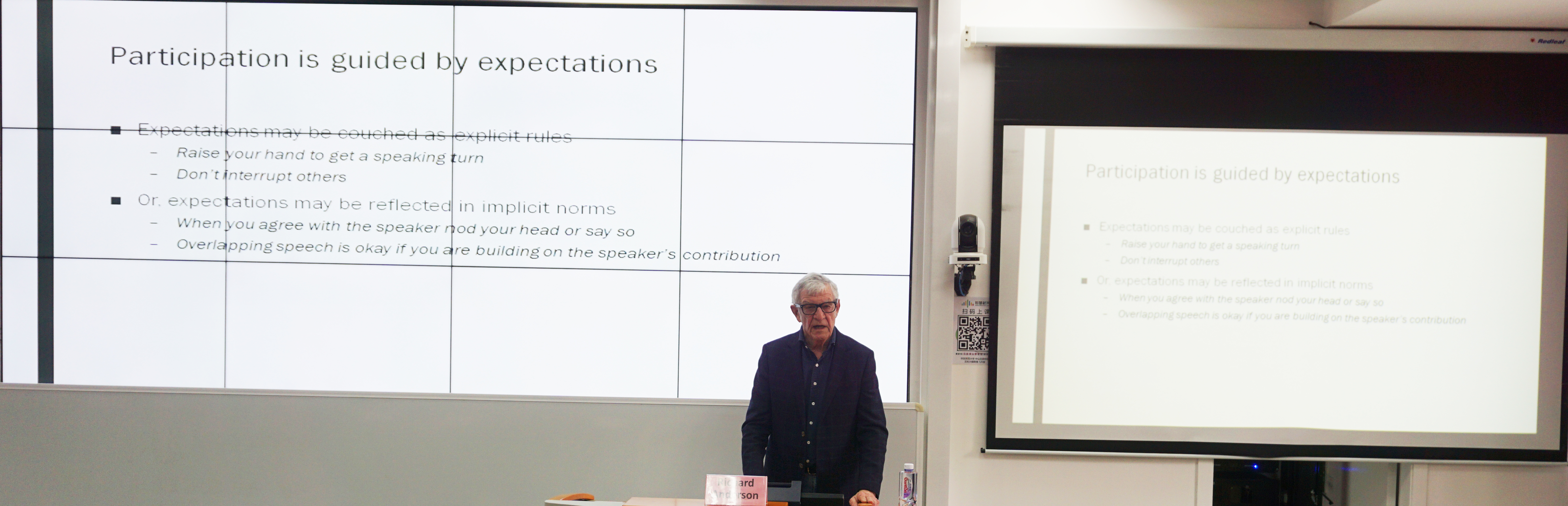
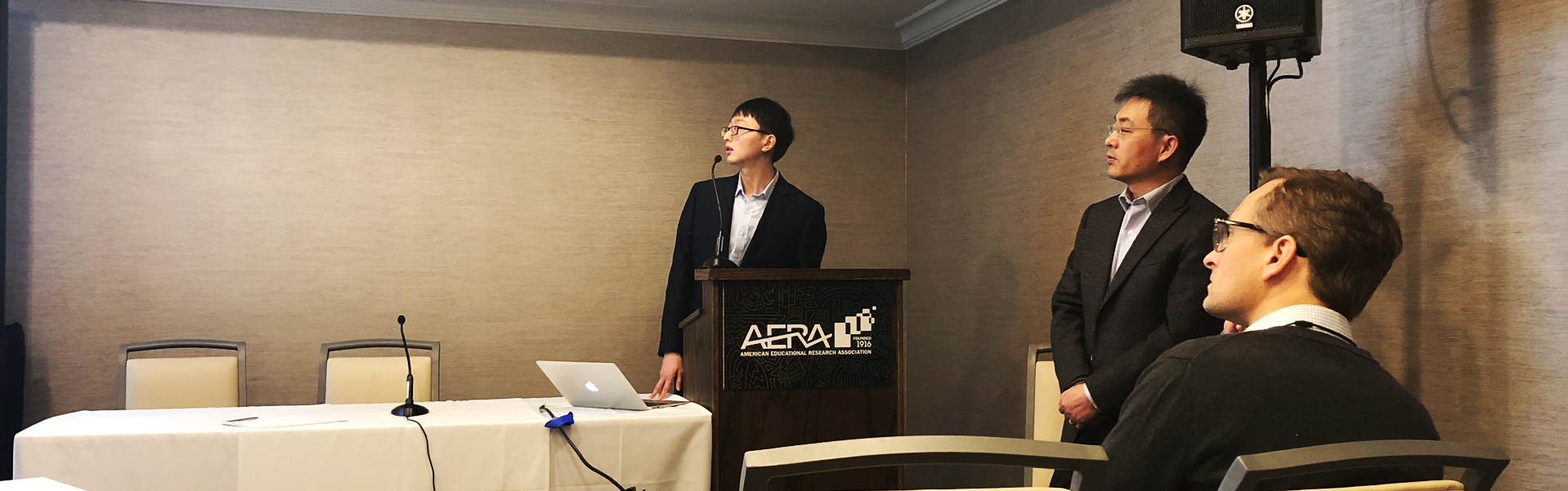
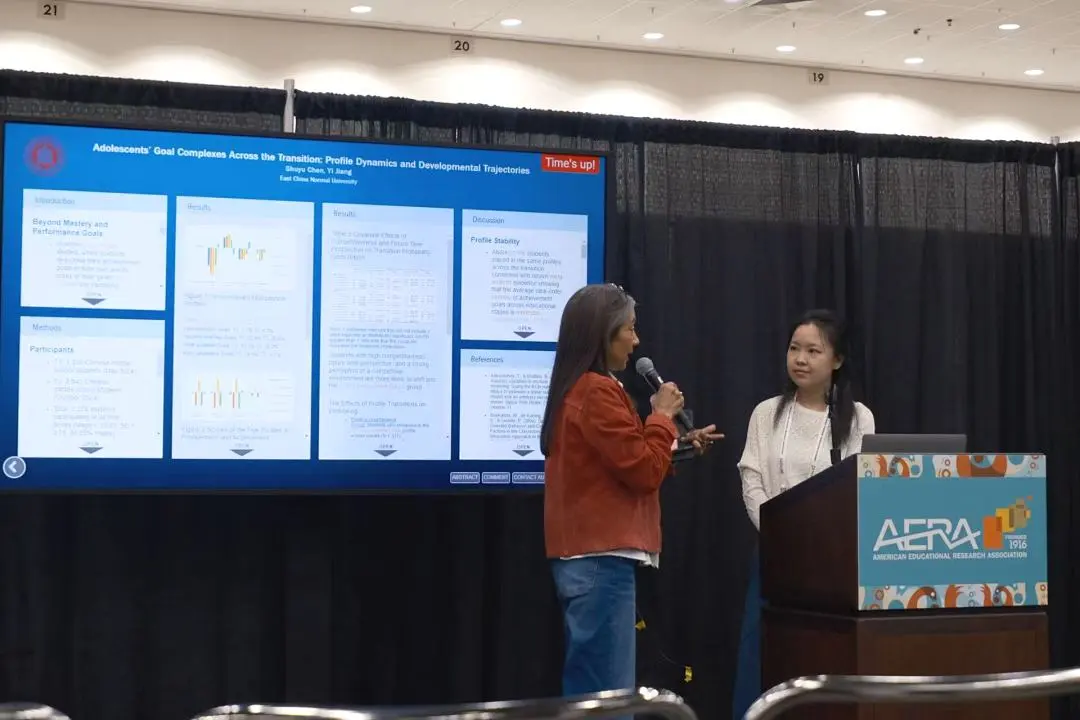
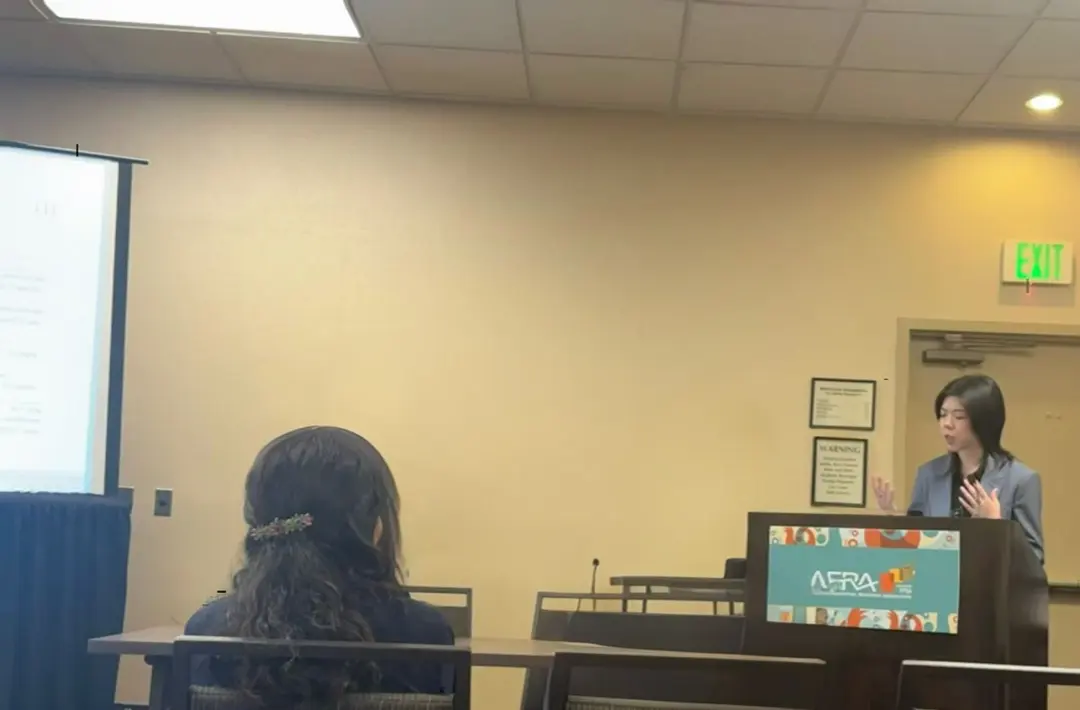
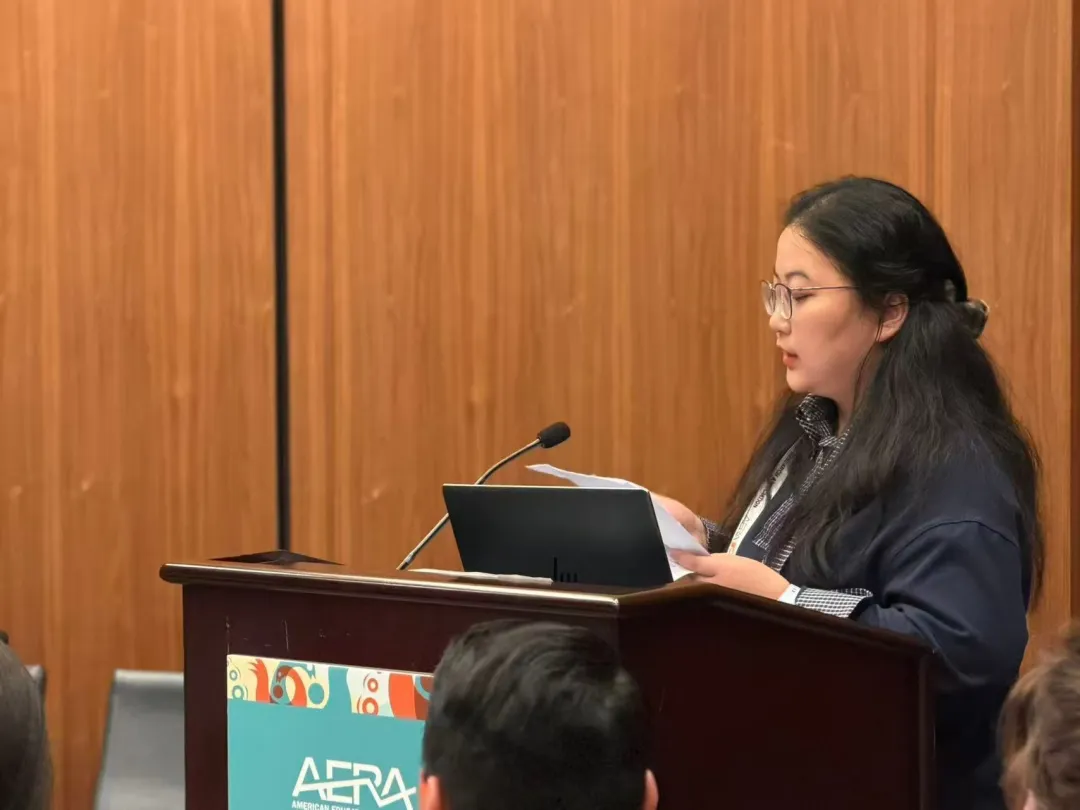
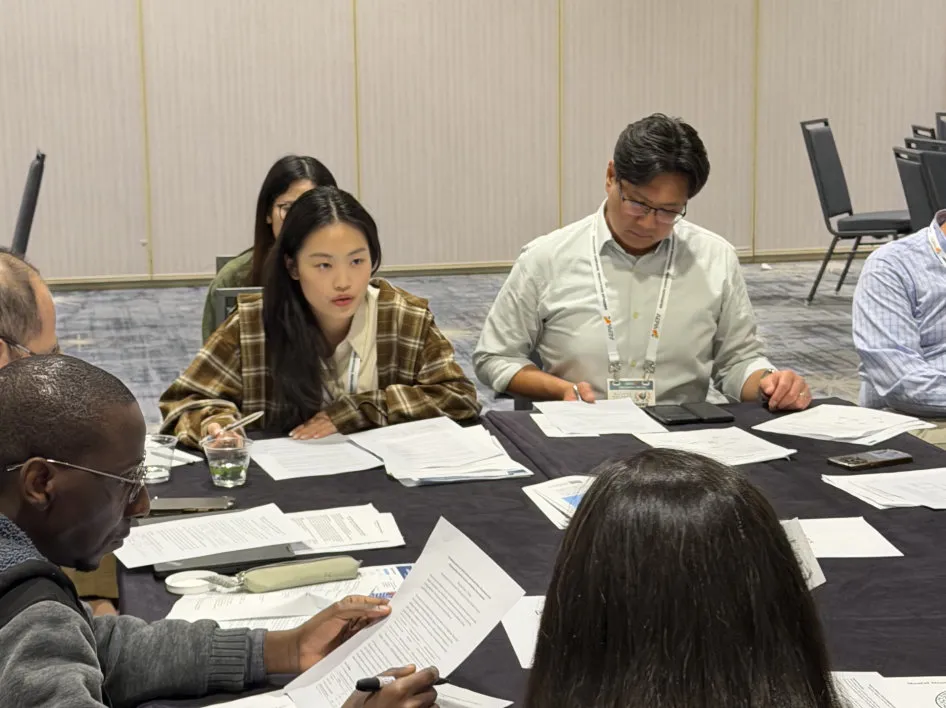
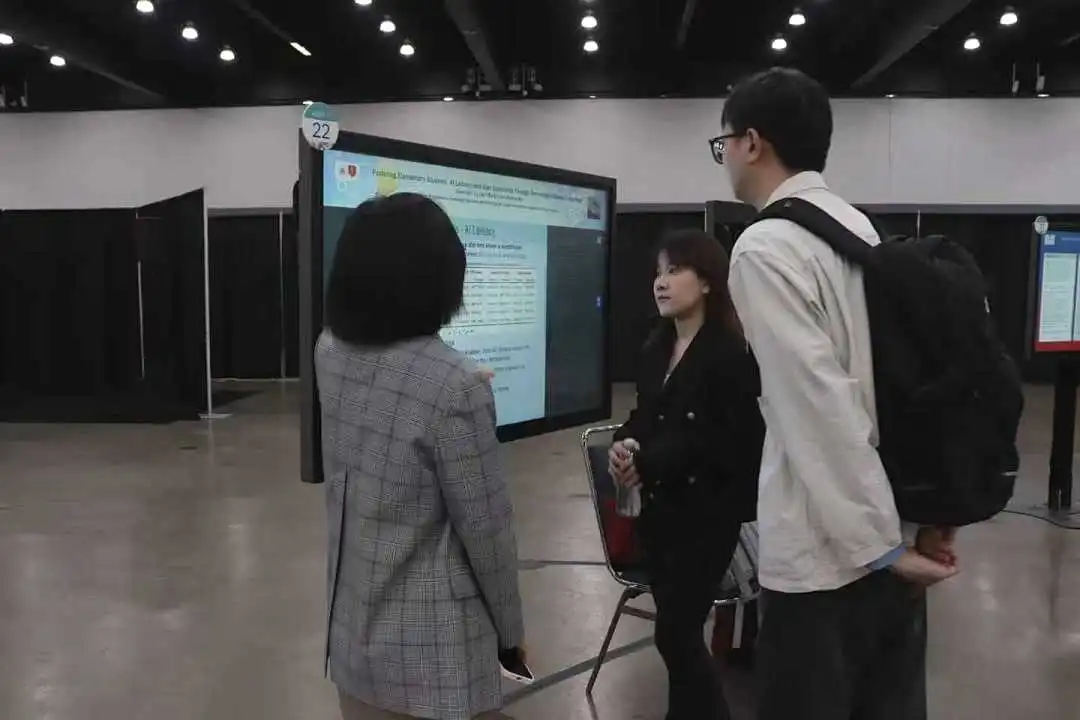
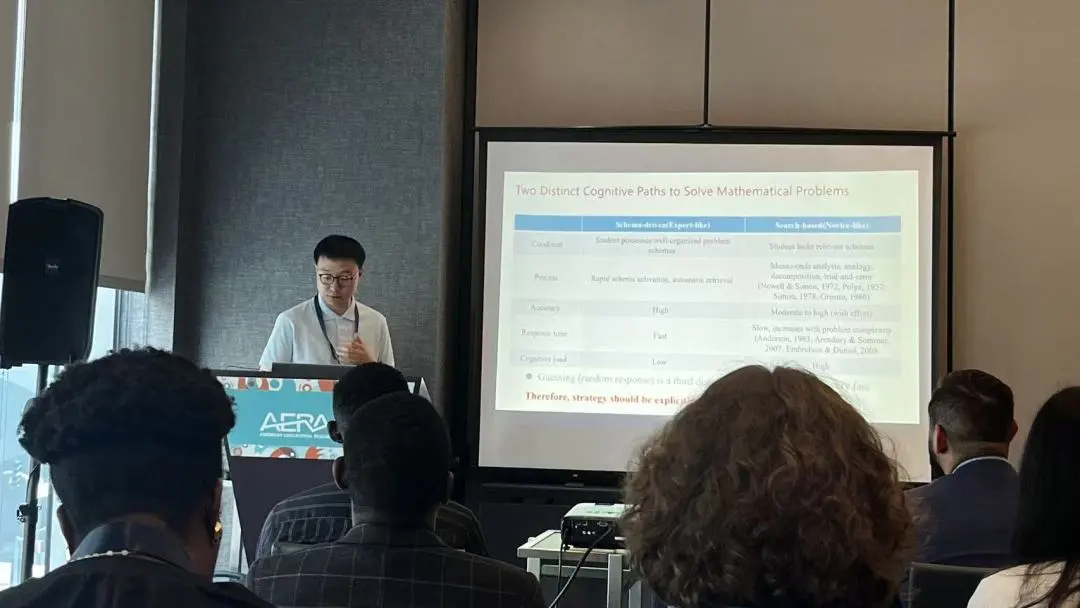
Students of the Department of Educational Psychology Present at 2026 International Conferences Including AERA, NCME and CDS From April 7 to April 12, 2026, the Annual Meeting of the American Educational Research Association (AERA) was held in Los Angeles, the United States. Doctoral candidate Chen Shuyu, together with master’s students Wang Yue, Jing Chen, Zhuang Yashan, Zhang Xingyan, Wu Jiawei and Zhang Hansheng from the Department of Educational Psychology, attended the conference and delivered oral presentations.
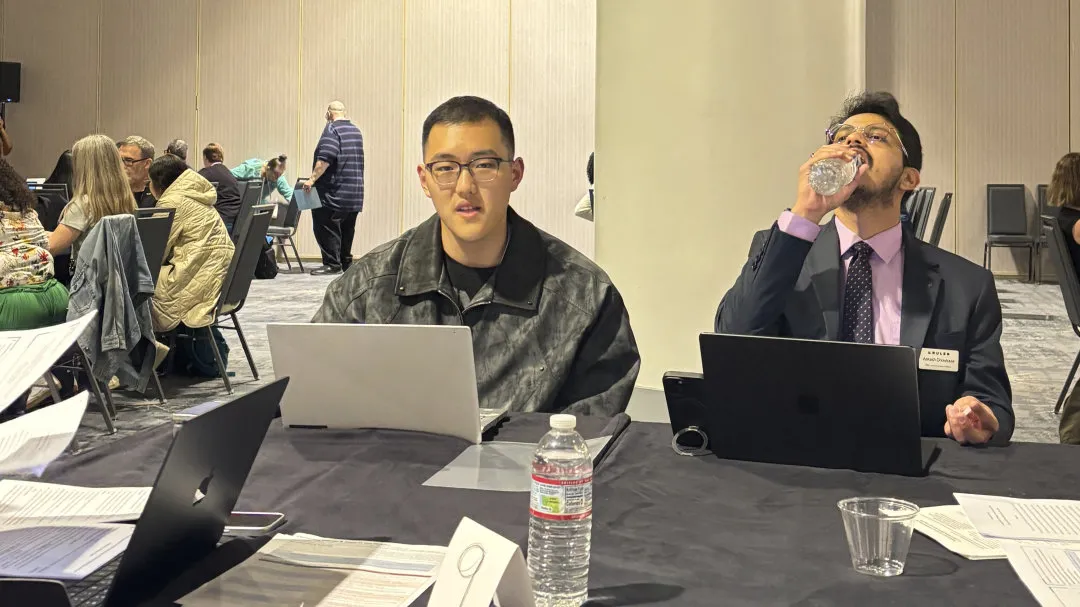
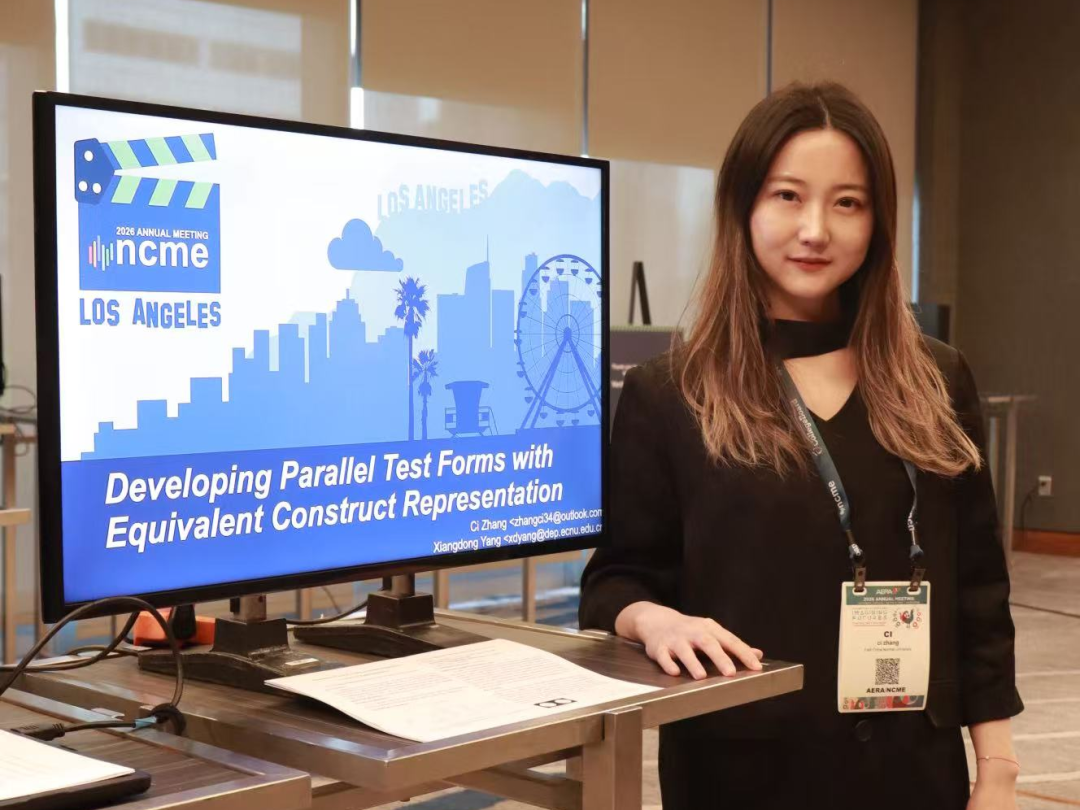
From April 8 to April 11, the Annual Meeting of the National Council on Measurement in Education (NCME) also took place successfully in Los Angeles, USA. Wang Teng and Zhang Ci, doctoral students from the Department of Educational Psychology, attended the conference and delivered presentations.
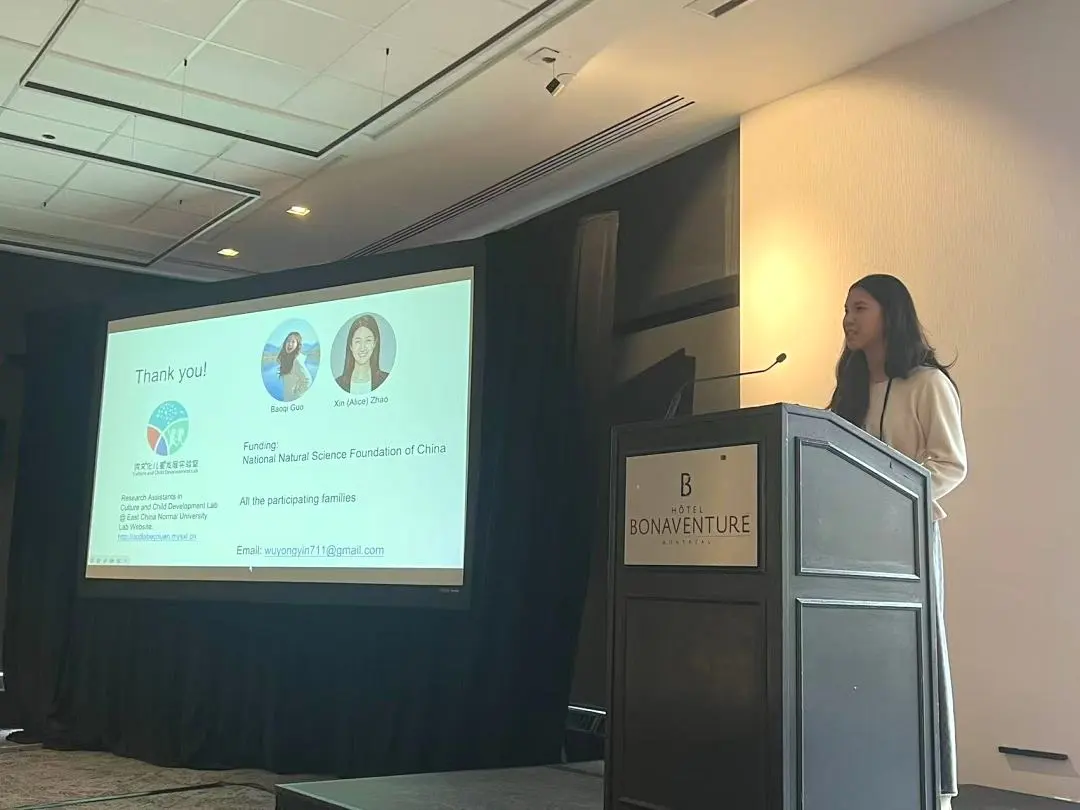
From April 9 to April 11, the biennial meeting of the Cognitive Development Society (CDS) was held in Montreal, Canada. Zhang Wenzhuo and Wu Yongyin, master’s students from the Department of Educational Psychology, attended the conference and delivered presentations.
01 AERA Founded in 1916, the American Educational Research Association (AERA) commits to academic inquiry in the field of education and promotes the dissemination and practical application of educational research findings. As the world’s largest and most influential academic conference in education, the AERA Annual Meeting builds a platform for scholars, educators and postgraduate students worldwide engaged in education, administration, testing and assessment research to share achievements and conduct academic exchanges. Wang Yue Supervisor: Yang Xiangdong Title Automated Generation of Verbal Analogical Reasoning Items: An AI-augmented Cognitive Item Design Approach Abstract This paper proposes a new theory-driven automated item generation method, namely the AI-augmented cognitive item design, and constructs a general framework for the automated generation and quality inspection of items. The generation part includes five steps: ① defining the measured construct, ② selecting task types, ③ establishing cognitive models, ④ identifying item features, and ⑤ AI-enabled batch automatic item generation; the quality inspection part covers three dimensions: ① authenticity test, ② expert evaluation, and ③ construct validity test. Taking verbal analogical reasoning items as the carrier, this study verifies the feasibility and advantages of the method. Specifically, taking the three-word stem completion verbal analogical reasoning task as an example, it constructs a cognitive model of analogical reasoning, further identifies stimulus features affecting the processing at each stage and defines such features in an operational manner, and finally generates diversified large-batch items with predictable difficulty with the help of GPT-5. Closely integrating cognitive psychology and psychometrics into the development of automated item generation, this study enables item generation to achieve both high efficiency and satisfactory validity.
Chen Shuyu Supervisor: Jiang Yi Title Adolescents' Goal Complexes Across theTransition: Profile Dynamics and Developmental Trajectories Abstract Based on two waves of longitudinal data from 2,448 junior high school students, this study adopted latent transition analysis to explore the profiles and developmental changes of students’ multiple achievement goals. Five goal profiles were identified in the sample. The overall goal modalities remained relatively stable, with approximately half of the students retaining their original profile memberships. Overall, negative transitions outnumbered positive ones, and different goal groups showed a general trend of converging toward moderate-level profiles. Further analyses indicated that competitive traits, classroom competitive climate, and future time perspective served as crucial influencing factors. High competitiveness and strong future planning abilities increased the likelihood of students transitioning into achievement-oriented profiles. In addition, transitions between different goal clusters exerted significant effects on students’ well-being, and academic cognitive and emotional engagement played a mediating role in the relationship between goal cluster transitions and school well-being. This research provides empirical evidence for the precise identification of students’ goal orientations and the implementation of differentiated educational interventions.
Jing Chen Supervisor: Jiang Yi Title Exploring the Congruence and Discrepancy Between Self-Efficacy and Utility Value in Predicting Adolescents’ Academic Outcomes: A Study Using Polynomial Regression and Response Surface Analysis Abstract This study adopted polynomial regression combined with response surface analysis to explore how the congruence and discrepancy between students’ self-efficacy and perceived utility value of learning influence their academic engagement and academic performance in mathematics and English. Based on data collected from 1,639 Chinese adolescents, the results revealed significant differences in the joint effects of self-efficacy and utility value across different outcome variables. Specifically, academic performance reached the highest level when self-efficacy was higher than perceived utility value, highlighting the core role of self-efficacy in performance-oriented contexts. In contrast, academic engagement peaked when both self-efficacy and utility value were high and congruent, emphasizing the importance of motivational consistency in sustaining long-term learning engagement. These patterns were highly consistent across the two subject domains, indicating a generalizable distinction between the motivational conditions that promote academic achievement and those that sustain learning engagement.
Zhuang Yashan Supervisor: Jiang Yi Title Clarify the Importance of Tree Numbers in Random Forest Regression Abstract Random forest regression is increasingly applied in educational research for predictive modeling and identifying critical predictors of outcome variables. Nevertheless, only a small number of studies report key model parameters or describe their parameter tuning procedures. To address this methodological gap, the present study systematically investigated the effects of the ntree parameter on predictive accuracy and variable importance ranking. The results indicated that even with the same dataset, the minimum required ntree varied significantly depending on specific analytical objectives. This paper finally puts forward task-oriented suggestions for parameter selection and highlights the necessity of reporting the ntree parameter when adopting random forest regression.
Zhang Xingyan Supervisor: Jiang Yi Title Mediating Roles of Self-Control and Mobile Phone Dependence in the Relationship between Anxiety and Bedtime Procrastination Abstract To explore the relationship between college students’ anxiety and bedtime procrastination, and clarify the chain mediating effects of self-control and mobile phone dependence, this study conducted a questionnaire survey among 393 college students by using the Hospital Anxiety and Depression Scale, the Brief Self-Control Scale, the Mobile Phone Dependence Index Scale and the Bedtime Procrastination Scale. Correlation analysis showed that anxiety was significantly positively correlated with bedtime procrastination and mobile phone dependence, and significantly negatively correlated with self-control; self-control was significantly negatively correlated with mobile phone dependence and bedtime procrastination, while mobile phone dependence was significantly positively correlated with bedtime procrastination. Mediation effect analysis indicated that self-control and mobile phone dependence played a chain mediating role in the influence of anxiety on college students’ bedtime procrastination. This study reveals a close correlation between anxiety and college students’ bedtime procrastination. Self-control and mobile phone dependence jointly form a vital mediating mechanism through which anxiety affects bedtime procrastination, providing theoretical basis and practical reference for subsequent intervention research on college students’ bedtime procrastination.
Wu Jiawei Supervisor: Ma Shufeng Title Fostering Elementary Students' AI Literacy in a Learning Environment Empowered by Generative AI Abstract This study examined the development of artificial intelligence literacy among 145 fifth-grade students during a three-week intervention. In this intervention, students directly interacted with generative artificial intelligence technology in collaborative learning contexts. Participants were randomly assigned to either the experimental group with generative AI (GenAI) access or the control group without technology support. AI literacy was measured across four dimensions: cognition, usage, evaluation, and ethics. After the intervention, the GenAI group showed significant improvements in AI usage compared with the control group. Although cognition and evaluation also improved to some extent, their gains did not significantly outperform those of the control group. Meanwhile, both groups maintained consistently high scores in the ethical dimension with no noticeable changes. The findings indicate that targeted AI instruction can effectively enhance key components of AI literacy even at the elementary school level.
Zhang Hansheng Supervisor: Zhang Jing Title Balanced or Not? -Latent Profiles of Students' Social-Emotional Skills During the Middle-to-High School Transition Abstract Based on the OECD framework for social and emotional skills, this study adopted a person-centered approach and conducted latent profile analysis on 4,320 Chinese students in the middle-to-high school transition stage. The results indicated that: (1) Students’ social-emotional skills were categorized into five latent profiles, including four balanced groups with overall skill levels ranging from extremely low to extremely high, and one unbalanced group with generally high competence yet significantly lower cooperation and engagement skills. (2) School environmental factors, such as teacher-student relationships, peer relationships, school belonging and teacher feedback, significantly predicted profile membership, and poorer school environmental indicators were associated with a higher likelihood of belonging to the unbalanced profile. (3) Significant differences in mental health outcomes including life satisfaction, relationship satisfaction and well-being were identified across different profiles, in which the unbalanced group showed notably poorer mental health than the balanced group with equally high overall skills and displayed no significant mental health gaps compared with low-skilled profiles. (4) A nonlinear relationship existed between social-emotional skill profiles and academic performance; the unbalanced profile had comparable academic achievement to the high-skill balanced profile but suffered from distinctly compromised mental health. These findings highlight the critical importance of fostering well-balanced social-emotional skills and optimizing the school environment for adolescent development.
02 NCME Founded in 1947, the National Council on Measurement in Education (NCME) dedicates itself to academic inquiry in the fields of educational measurement and assessment, and promotes the dissemination and application of theories, methods and practical achievements in educational measurement. As a highly authoritative international academic conference in global educational measurement, psychological and educational assessment, the NCME Annual Meeting provides a sharing and communication platform for scholars, researchers and graduate students worldwide engaged in educational measurement, psychological assessment and educational evaluation. Wang Teng Supervisor: Yang Xiangdong Title A mixture CDM for mathematical problem-solving strategies Abstract From the perspective of cognitive processes, this study proposes a Mixture Cognitive Diagnosis Model for Mathematical Problem-Solving Strategies (MCDM-MPSS), which aims to analyze and model students’ problem-solving behaviors in strategy use. The results show that the proposed model can effectively identify and diagnose problem-solving strategies by utilizing accuracy and response time indicators.
Zhang Ci Supervisor: Yang Xiangdong Title Developing Parallel Test Forms with Equivalent Construct Representation Abstract Current practices for developing parallel test forms generally prioritize reliability while neglecting validity. This study proposes a new method for constructing parallel tests with equivalent construct representation. The application of this method using mental rotation tasks confirms its feasibility. This study expands the research scope of parallel test development and balances both reliability and validity.
03 CDS Founded in 1999, the Cognitive Development Society (CDS) commits to academic inquiry in the field of cognitive development and promotes theoretical deepening and practical transformation of research findings related to cognitive development. As an influential international academic conference across global cognitive development and educational psychology, the CDS Biennial Meeting builds a platform for scholars, researchers and graduate students worldwide to share academic achievements and exchange cutting-edge ideas in cognitive development, learning psychology, developmental psychology and related fields. Zhang Wenzhuo Supervisor: Zhao Xin Title Why do they fail or succeed? Children's reasoning of success and failure of individuals from different socioeconomic backgrounds Abstract Socioeconomic status (SES) profoundly shapes academic achievement, yet people often overlook such structural factors and instead tend to make internal attributions regarding effort or ability. At what age and how do children incorporate SES into their causal reasoning about achievement? Across three preregistered studies, we examined how Chinese children aged 4 to 9 (N = 312, 159 girls) and adults (N = 215, 171 women) integrate SES into their attributions for success and failure. The results indicated that first, children as young as 4 years old attributed failures of high-SES individuals to internal factors such as insufficient effort, whereas failures of low-SES individuals were attributed to external factors including limited resources, and such distinctions became stronger with age. Children believed that individuals from both SES groups could achieve success but through different pathways, for instance, high-SES individuals were expected to succeed by adjusting internal traits. Second, when explaining success, children increasingly tended to attribute low-SES individuals’ success to internal factors and high-SES individuals’ success to external factors. Third, comparative contexts shaped attribution patterns: when contrasted with successful low-SES peers rather than successful high-SES peers, children were more likely to internally attribute the failures of low-SES individuals.
Wu Yongyin Supervisor: Zhao Xin Title Children’s consideration of cost and emotion in social evaluation of helping behaviors Abstract Previous studies on adults have demonstrated that helpers’ cost and emotion serve as two core dimensions of social evaluation. This study aims to explore how children aged 4 to 9 weigh and integrate these two key cues with age when evaluating helping behaviors. Two experiments were designed for this research. Experiment 1 (N = 118) adopted a within-subject design to examine children’s evaluative differences under single cues of cost or emotion respectively. Experiment 2 (N = 110) presented combined scenarios involving high versus low cost and positive versus negative emotion to investigate children’s evaluation strategies when multiple cues coexisted. Experiment 1 revealed that children’s consideration of helping cost showed an obvious developmental trend with significant developmental divergence emerging around the age of five. In contrast, even 4-year-old young children could clearly distinguish and show a strong preference for helpers displaying positive emotion. Experiment 2 found that children across all age groups gave the highest social evaluation to helpers with high cost and positive emotion. When confronted with inconsistent cues including high cost paired with negative emotion and low cost paired with positive emotion, children under seven years old tended to make evaluations mainly based on emotional cues. With increasing age, children gradually shifted from emotion-oriented judgment to comprehensive reasoning that integrates both cost and emotional information.
Postgraduate Training Initiatives of the Department of Educational Psychology 01 Curriculum Development 1、Cultivate students’ solid scientific research literacy and interdisciplinary research competencies, balancing the depth of specialized research and the breadth of interdisciplinary exploration. 2、Emphasize the timeliness of curriculum learning. Courses are closely aligned with cutting-edge academic advances, enabling students to keep abreast of the latest research frontiers in class. 3、Focus on systematic methodological training, including advanced measurement and statistics courses, as well as state-of-the-art neuroscience methods and technologies, to lay a solid foundation for empirical research. 02 Research Training 1、Adopt a student-centered training model. Based on students’ research interests and supervisors’ expertise, each student is assigned a supervisory team consisting of one or two advisors. 2、Provide diversified academic exchange platforms. Regularly hold interdisciplinary salons, brown bag seminars, and faculty-student forums, with invited lectures by domestic and international experts. 3、Rooted in educational realities and focused on learning and development, students are guided to address key and challenging issues in educational psychology and drive disciplinary advancement through research innovation. 03 Global Vision 1、Benchmark against world-class universities and research institutions, and establish an international advisory board to foster students’ global academic vision. 2、Facilitate dialogues with international scholars by regularly inviting overseas experts for academic exchanges and in-depth discussions on forward-looking research topics. 3、Encourage students to participate in major international academic conferences and provide professional guidance for them to present and exchange research findings worldwide. |





| Contact us | |
|
Department Of Educational Psychology Address : No. 3663, Zhongshan North Road, Shanghai Zip code : 200062 Tel : 86-21-6223078 E-mail : depecnu@163.com |

|
| Copyright 2018 East China Normal University Department Of Educational Psychology . All Rights Reserved | Technical support: Shanghai echao |